
Product Structure Comparison
Radiant Hollow LED Mask vs Flat Silicone LED Masks
A buyer-focused comparison of hollow float structure and common flat silicone mask designs: comfort, light delivery, cleaning, return risk, and private-label differentiation.
Product image comparison
These visuals use Radiant-owned product and factory assets. The “flat silicone” side is shown as a category reference checklist rather than a competitor photo, so the page can explain the market comparison without borrowing copyrighted brand imagery.
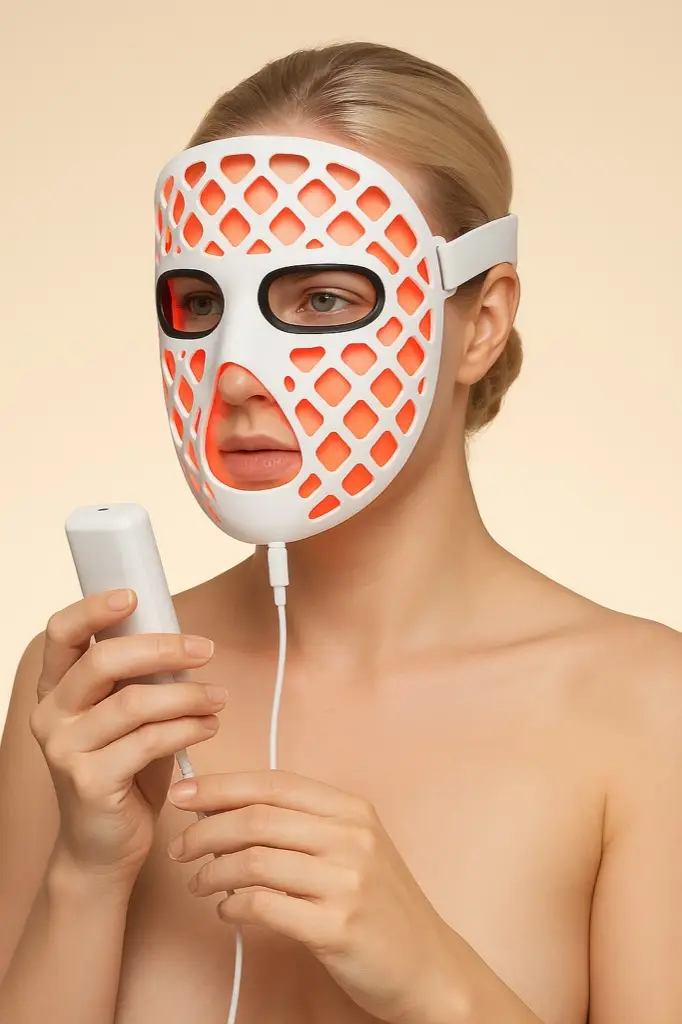
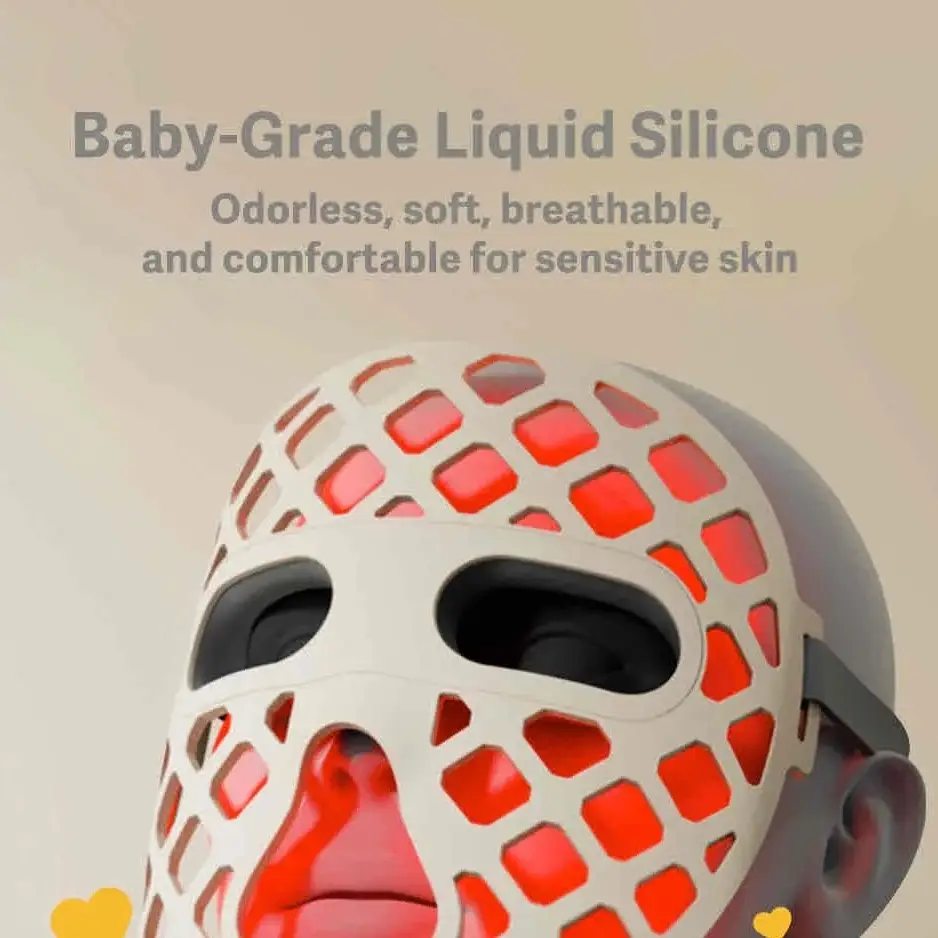
Flat silicone category reference
When reviewing flat masks, inspect the areas a buyer cannot see in a catalog render:
- Does the mask press on the nose or eye area?
- Does strap tension hold the mask or squeeze the face?
- Can users clean sweat, oil, and dust easily?
- Does the product look different enough for private label?
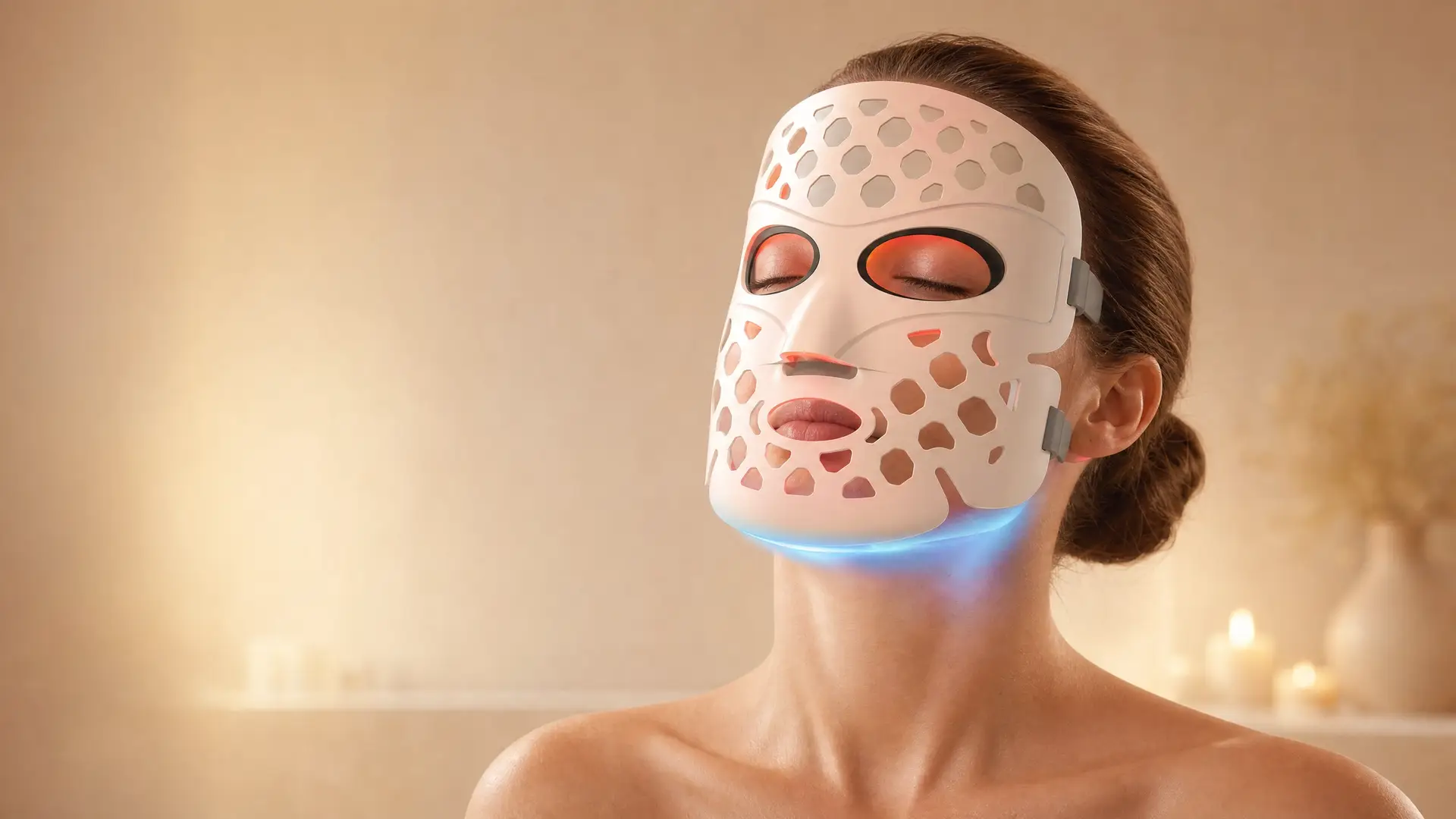
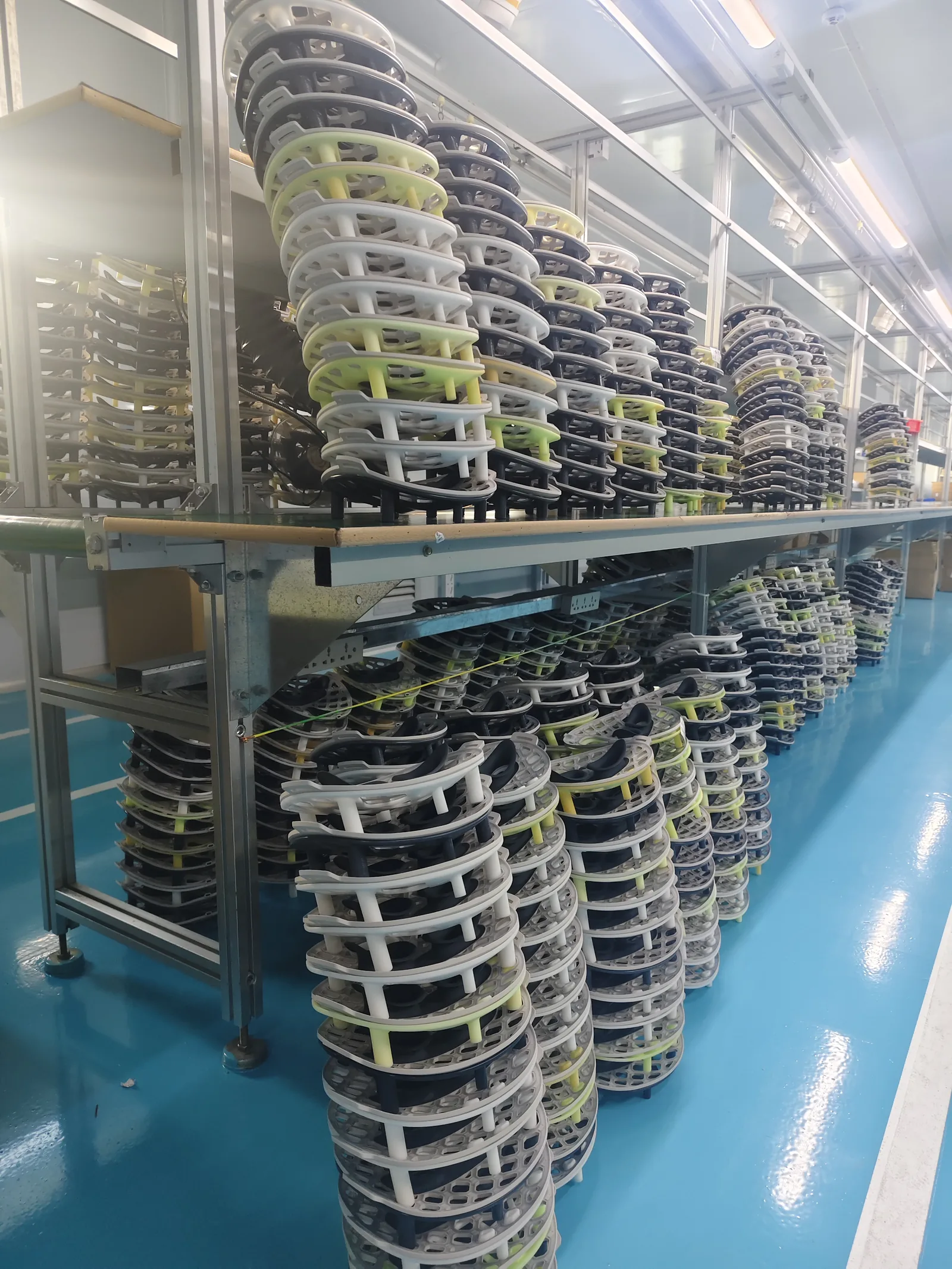

Why structure matters for B2B buyers
Most LED mask comparisons focus on wavelengths and LED count. Those matter, but they do not answer a practical question: will the end user keep wearing the mask long enough to see value?
When masks feel heavy, tight, sweaty, or hard to clean, users stop. For brands and distributors, that becomes weak reviews, returns, and lower reorder confidence.
Radiant hollow float design
- 93g LED face mask platform
- 15mm float gap above skin
- Fixed eye-area design
- Medical-grade liquid silicone
- IP67 washable mask line
- Detachable Type-C controller
Common flat silicone masks
- Often heavier in the 200-400g market range
- Mask surface sits closer to face
- Straps may need more tension to stay positioned
- Cleaning can depend on wipe-down routine
- More similar visual platform across catalogs
- Often positioned mainly by LED count or colors
Comparison table
| Buyer factor | Radiant hollow LED mask | Flat silicone LED masks |
|---|---|---|
| Wear feel | 93g lightweight hollow platform | Often heavier and closer to face |
| Face pressure | 15mm float gap helps reduce direct pressure | Fit depends on strap tension and face shape |
| Eye area | Fixed eye-area design for repeatable positioning | May require separate goggles or pressure adjustments |
| Cleaning | IP67 washable mask line | Often wipe-clean; verify IP claim before marketing |
| Differentiation | Hollow structure + light weight + IP67 story | Can look similar across private-label catalogs |
| B2B risk | Designed around user compliance and lower abandonment | Watch for comfort complaints and return risk |
The user-compliance problem
Users rarely abandon LED masks because they dislike the idea of light therapy. They abandon them because the routine feels annoying: heavy on the nose, pressure near the eyes, too sweaty, too bright, hard to clean, or too easy to leave in a drawer.
That is why product structure is a commercial issue, not only an engineering detail. A mask that feels easier to wear is easier for customers to keep using.
When flat silicone masks still make sense
This page is not saying every flat silicone mask is bad. Flat masks can be a valid choice for buyers who want a familiar category format, a lower-risk catalog look, or a platform already proven in their channel. The key is to test comfort, strap pressure, cleaning workflow, and document support before bulk.
When Radiant is the stronger fit
Radiant is a stronger fit when your brand needs a visible product difference, comfort-first story, lighter wear positioning, washable construction, and a B2B factory route for OEM/ODM/private-label projects.
Useful next pages: MMZ01 LED Facial Mask, OEM / Wholesale, Compliance Hub, and LED Light Therapy Guide.
FAQ
Is a hollow LED mask more effective than a flat silicone mask?
Effectiveness depends on the full platform: wavelengths, irradiance, fit, session routine, and user consistency. The hollow structure mainly supports comfort, positioning, cleaning, and repeat use.
Why does 93g matter?
Weight affects whether users can sit, move, and repeat sessions comfortably. Heavy masks often create pressure on the nose, forehead, or eye area.
Can this be used for private label?
Yes. Radiant supports OEM, ODM, and private-label cooperation from MOQ 200 units on selected programs, with sample and document review before bulk.
Should buyers compare LED count first?
No. LED count is only one data point. Compare wavelength values, irradiance, comfort, IP rating, battery design, documentation, and sample experience together.
Next step
Request samples of both structure types and test them for 10 minutes, not just for photos. Comfort is where the real difference shows up.
Request sample plan · Discuss OEM / wholesale
Radiant GEO Cluster
Product structure comparison connects to sourcing risk
Use the Radiant vs flat comparison together with light therapy, compliance, and factory verification checks before selecting a product platform.
Radiant Product Facts
Stable facts buyers can verify across the cluster
- MMZ01 face mask: 93g hollow LED mask platform with 15mm float gap.
- Light setup: 54 beads, 216 beams, 630nm red, 850nm NIR, 415nm blue, 590nm yellow.
- Measured output: 22 mW/cm² in third-party lab context for MMZ01.
- Durability claim: IP67 washable mask line, verify documents per SKU.
- B2B cooperation: OEM / ODM / private label from MOQ 200 units on selected programs.
- Factory profile: 15+ years, 8 international patents, 4 production lines, 33+ export markets.
B2B sourcing
Evaluating structure for a private-label launch?
Compare hollow 93g platform specs, bundle options with the 85g neck mask, and MOQ 200 programs on the wholesale page.